Portrait of Abubakr Shafique

Abubakr Shafique, Ph.D.

Post-Doctoral Researcher at the Image Analysis in Medicine Lab (IAMLAB), Toronto Metropolitan University, Toronto, ON, Canada.

Results-driven scientist with a Ph.D. from the University of Waterloo, specializing in Artificial Intelligence and Machine Learning with a focus on Medical Image Analysis and Representation Learning — integrating AI innovation with biomedical applications to bridge data science and clinical impact.

Research

My research bridges advanced AI methods and real-world clinical impact, spanning uni-modal (vision or language) and multi-modal (vision-language, vision-genomics) frameworks for medical imaging. Key interests include:

Scholar Run

Reading list piling up? Take a break — help the scholar sprint through the literature and leap over the piles of books. Every point is a citation. 📚

Space / / tap — jump Press Space or tap the canvas to start

Publications

Selected papers

CBIR Reliability framework figure
npj Imaging · 2026

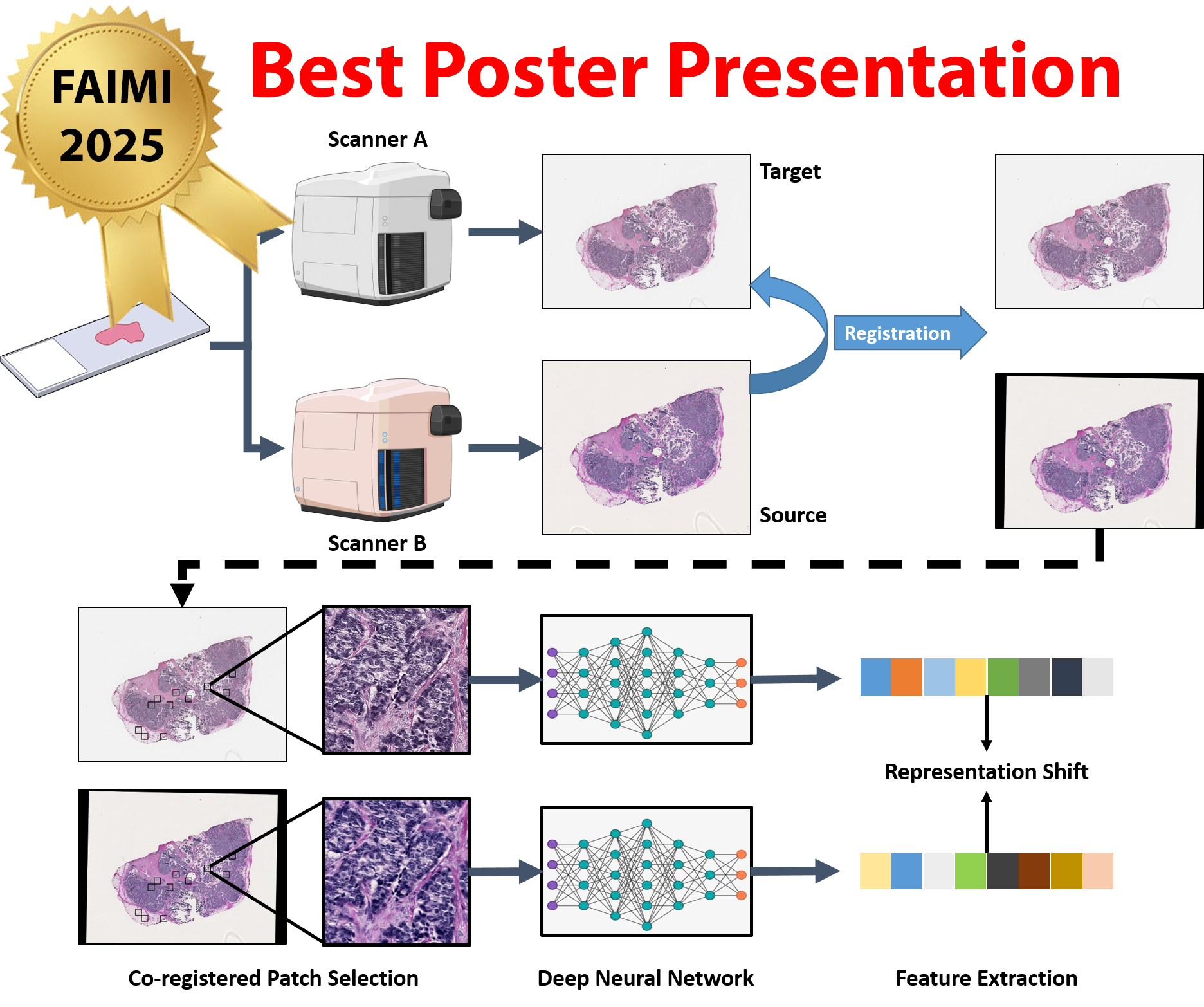
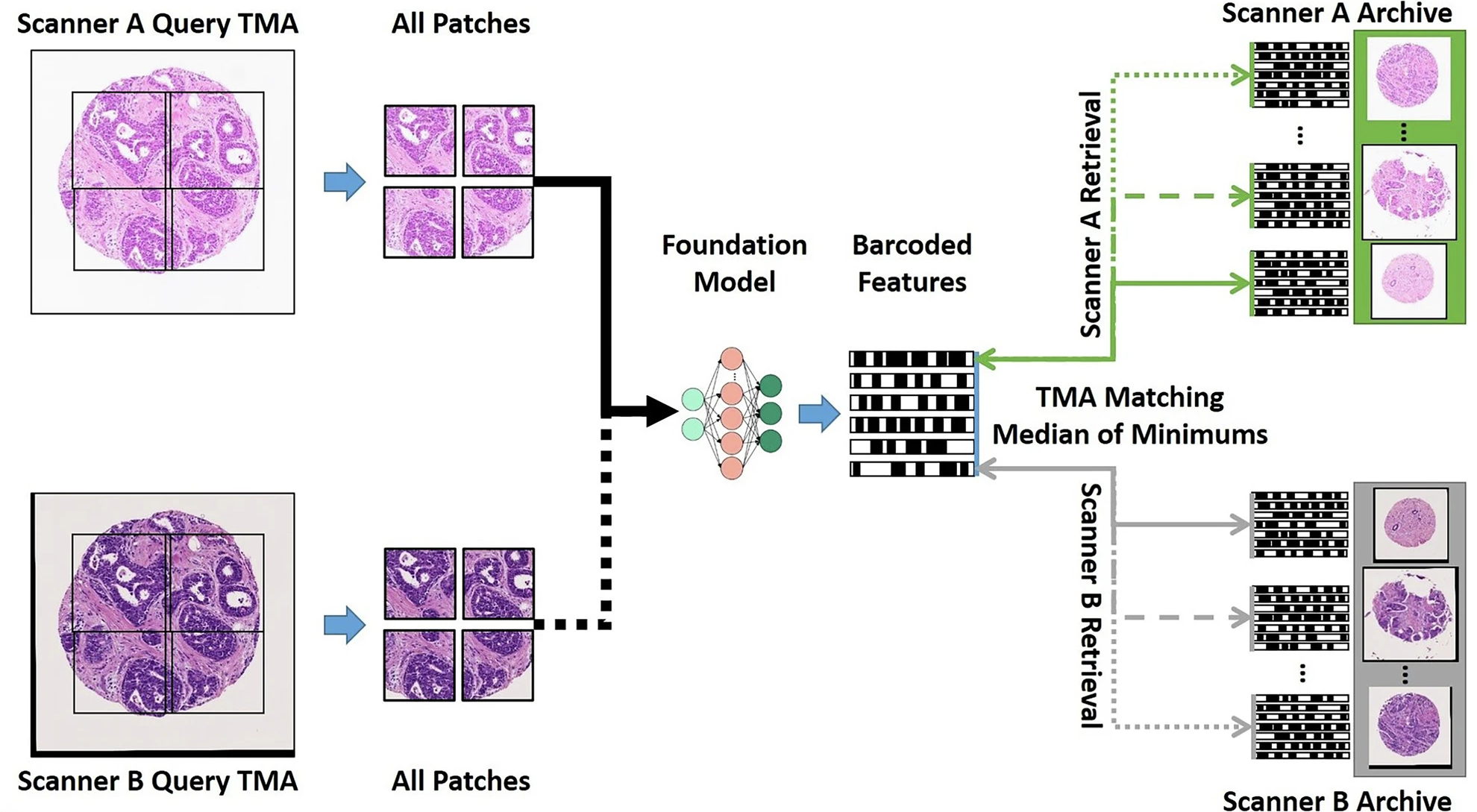
Reliability of foundation models for image retrieval in histopathology

Abubakr Shafique, Xiaoli Qin, Amanda Dy, Najd Alshamlan, Dimitrios Androutsos, Susan J Done, April Khademi

Ensuring fairness and explainability is essential for the development of ethical, reliable, and effective AI systems in healthcare. Content-Based Image Retrieval (CBIR) offers interpretable, visual tools to support diagnostic processes; however, these tools remain susceptible to biases inherent in the data. This study investigates covariate bias arising from differences in scanning devices within Foundation Models (FMs) used for CBIR in histopathology.
MarbliX framework figure
Frontiers in Digital Health · 2026

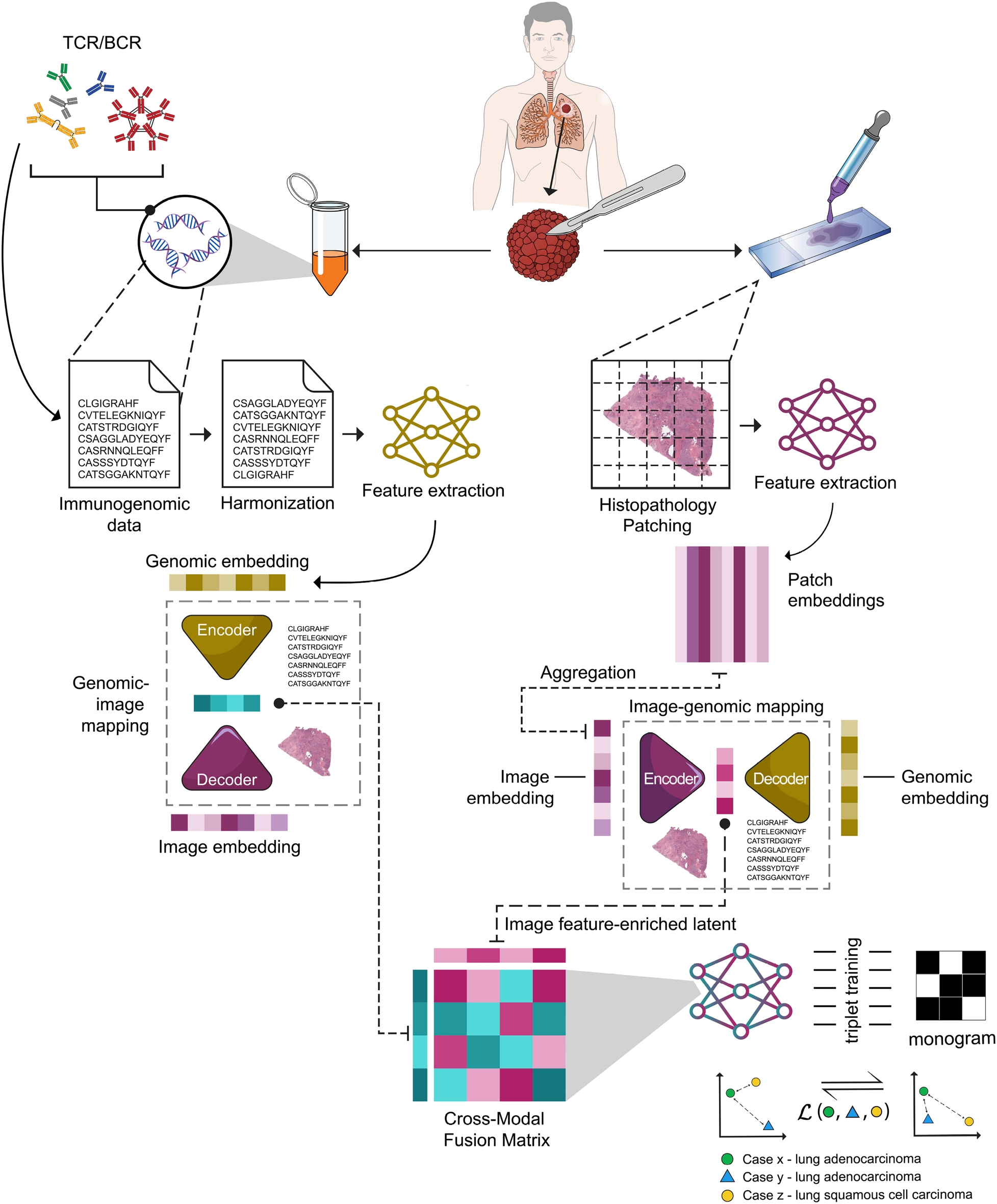
Multimodal Learning for Scalable Representation of High-Dimensional Medical Data

Areej Alsaafin, Abubakr Shafique, Saghir Alfasly, Krishna Rani Kalari, Hamid Tizhoosh

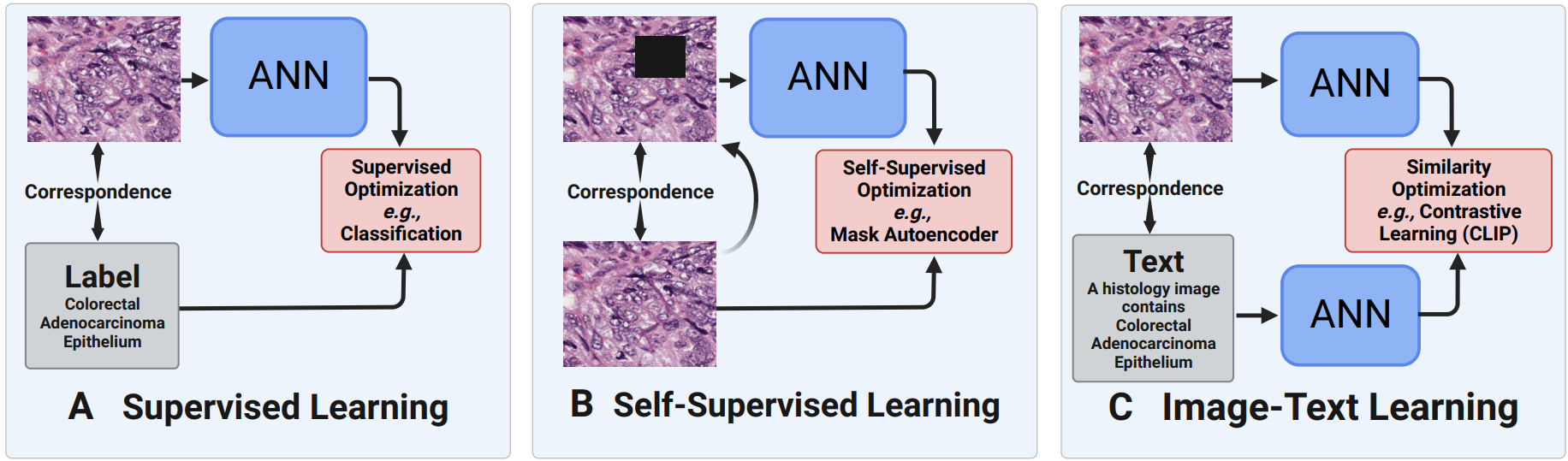
MarbliX is a framework designed to integrate diverse biomedical data modalities, such as histopathology images and genomic data, into compact binary representations called monograms. This framework is adaptable to other modalities, enabling scalable and interpretable multimodal search, classification, and patient similarity analysis for a variety of applications in biomedical research.

HistoLite framework figure
Scientific Reports · 2025

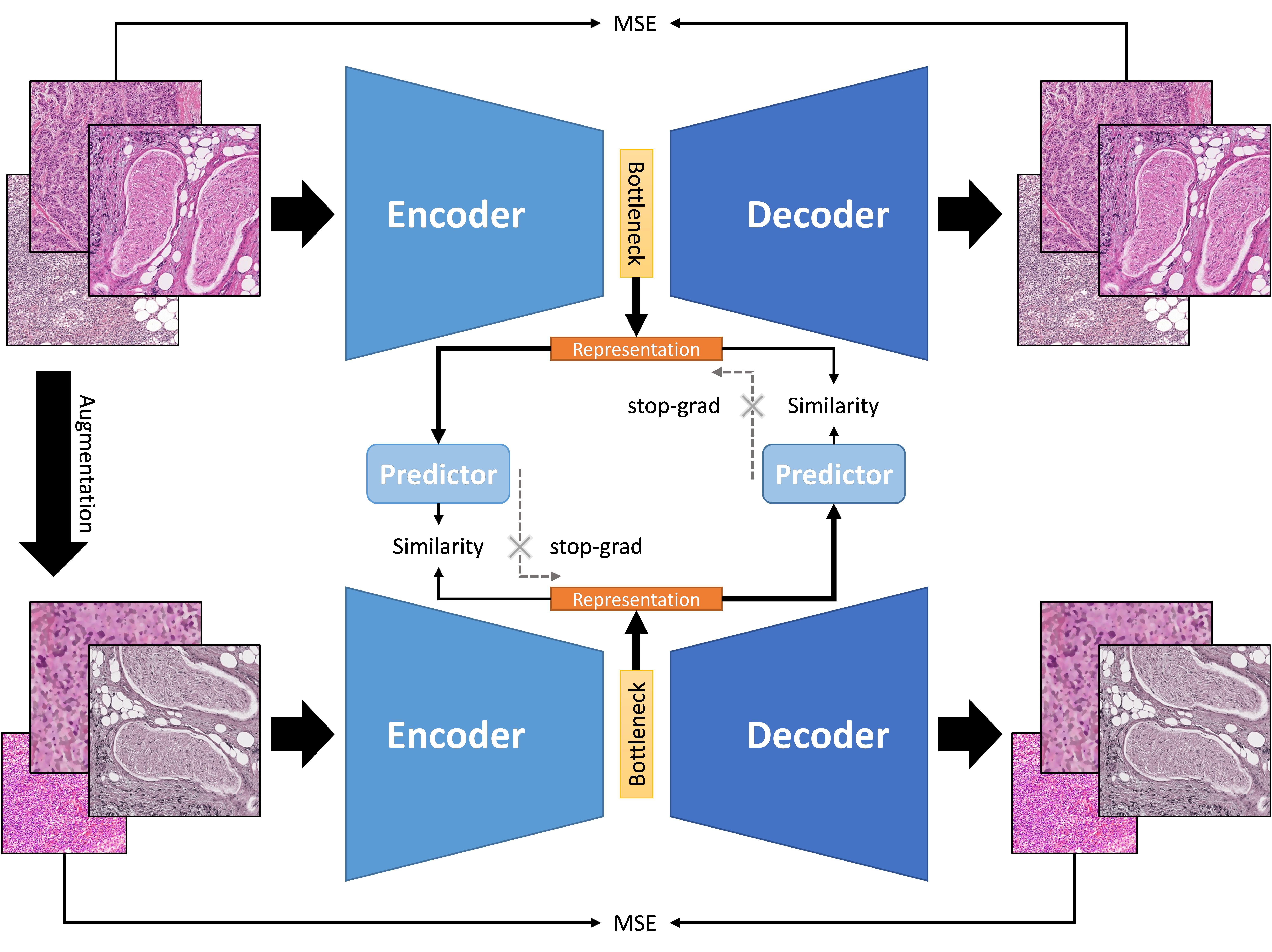
Lightweight Self-Supervised Learning Framework for Domain Generalization in Histopathology

Abubakr Shafique, Amanda Dya, Xiaoli Qin, Najd Alshamlan, Susan J. Done, Dimitrios Androutsos, April Khademi

HistoLite is a lightweight self-supervised learning framework for domain-invariant representation learning in histopathology. Using a dual-scanner dataset, it evaluates the impact of scanner-induced covariate shifts on foundation models, revealing their susceptibility to scanner bias. HistoLite demonstrates reduced representation shift and improved generalization, highlighting its efficiency and robustness compared to large-scale models.

MIDOG 2025 mitosis detection figure
MICCAI MIDOG Challenge · 2025

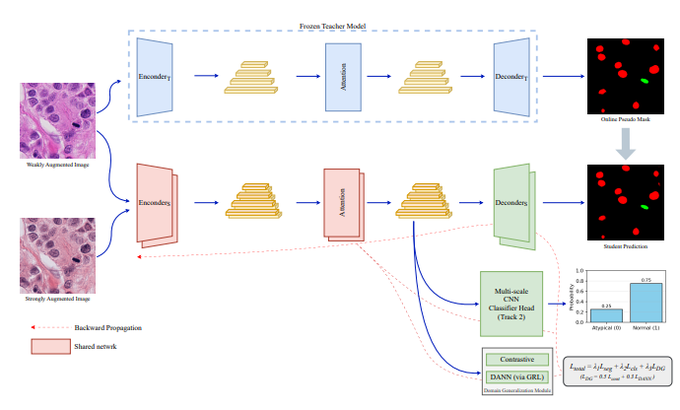
Teacher-Student Model for Detecting and Classifying Mitosis in the MIDOG 2025 Challenge

Seungho Choe, Xiaoli Qin, Abubakr Shafique, Amanda Dya, Susan Done, Dimitrios Androutsos, April Khademi

A teacher-student segmentation framework for robust mitosis detection and atypical mitosis classification. Built on a UNet backbone with contrastive and domain-adversarial learning, the model mitigates domain shift and data imbalance, achieving strong performance (F1 = 0.7660, balanced accuracy = 0.8414).

CVPR · 2024

Rotation-Agnostic Image Representation Learning for Digital Pathology

Saghir Alfasly, Abubakr Shafique, Peyman Nejat, Jibran Khan, Areej Alsaafin, Ghazal Alabtah, H.R. Tizhoosh

Introduces a fast patch selection method (FPS) for efficient selection of representative patches while preserving spatial distribution; HistoRotate, a 360° rotation augmentation for training histopathology models; and PathDino, a compact histopathology Transformer with five small vision transformer blocks and ≈9M parameters.

Foundation models comparison figure
Mayo Clinic Proceedings: Digital Health · 2024

Foundation Models for Histopathology — Fanfare or Flair?

Saghir Alfasly, Peyman Nejat, Sobhan Hemati, Jibran Khan, Isaiah Lahra, Areej Alsaafin, Abubakr Shafique, Nneka Comfere, Dennis Murphree, Chady Meroueh, Saba Yasir, Aaron Mangold, Lisa Boardman, Vijay H. Shah, Joaquin J. Garcia, H.R. Tizhoosh

A detailed comparison of foundation models (CLIP derivatives PLIP and BiomedCLIP) against domain-specific histology models across eight diverse datasets — four internal from Mayo Clinic and four public (PANDA, BRACS, CAMELYON16, DigestPath). Findings show domain-specific models such as DinoSSLPath and KimiaNet perform better, underlining the significance of clean large datasets.

WHO BC Subtypes
Modern Pathology · 2024

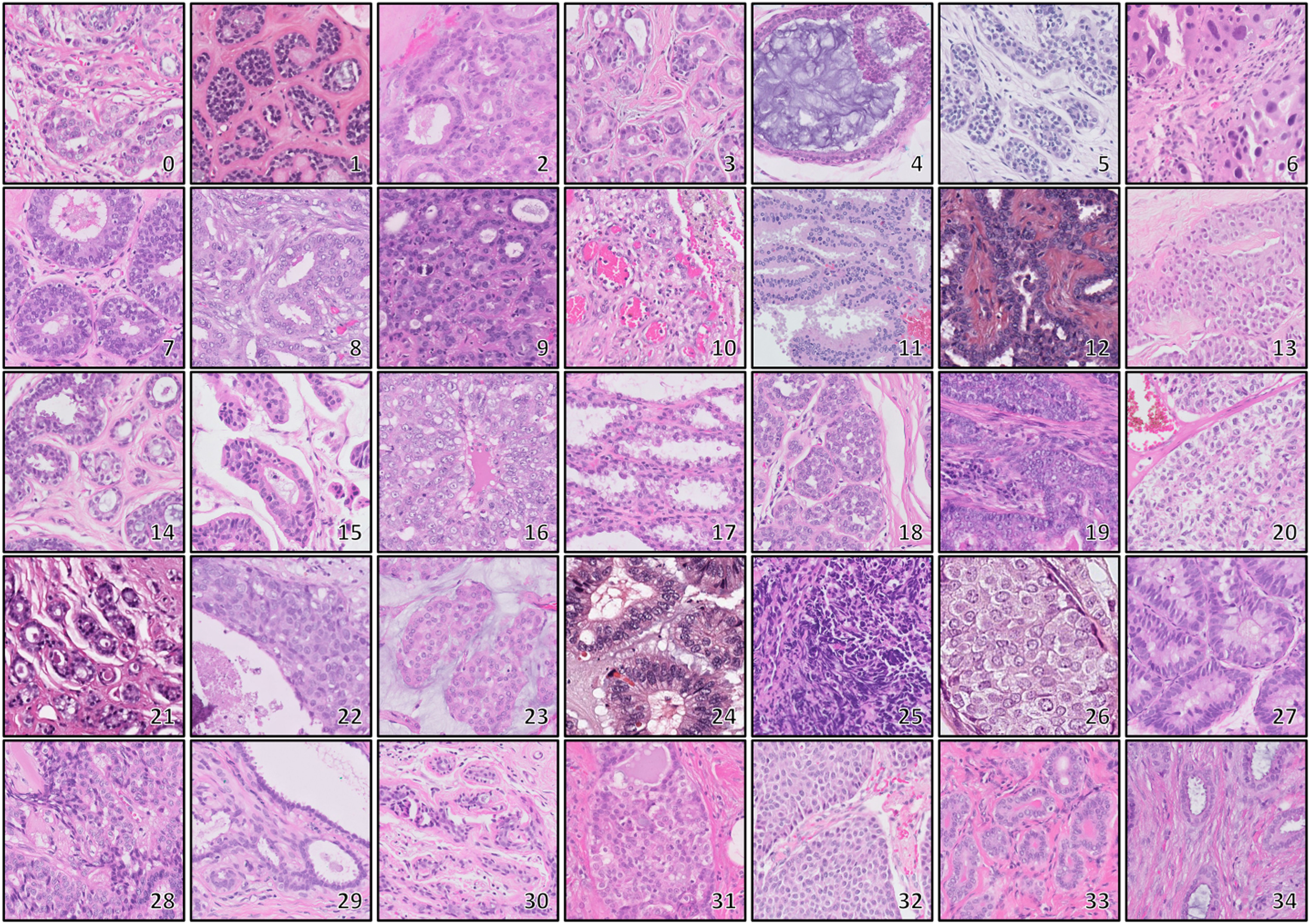
A preliminary investigation into search and matching for tumor discrimination in World Health Organization breast taxonomy using deep networks

Abubakr Shafique, Ricardo Gonzalez, Liron Pantanowitz, Puay Hoon Tan, Alberto Machado, Ian A Cree, Hamid R Tizhoosh

Breast cancer is one of the most common cancers affecting women worldwide. There are more than 35 different histologic forms of breast lesions that can be classified and diagnosed histologically according to cell morphology, growth, and architecture patterns. Searchable digital atlases can provide pathologists with patch-matching tools, allowing them to search among evidently diagnosed and treated archival cases, a technology that may be regarded as computational second opinion. In this study, we indexed and analyzed the World Health Organization breast taxonomy (Classification of Tumors fifth ed.) spanning 35 tumor types.

Invited Talks

Feb
2026
How Fair are Foundation Models? Exploring the Role of Covariate Bias in Histopathology
AbbVie CVRT Imaging Seminar
Apr
2025
AI to Improve Cancer Care
Canadian Cancer Trials Group — Annual Spring Meeting

Academic Services

Peer reviewer for the following journals.

Teaching & Consultation

Guest Lecture
Department of Electrical, Computer and Biomedical Engineering,
Toronto Metropolitan University,
Toronto, ON, Canada
Graduate Teaching Assistant
Department of Engineering,
University of Waterloo,
Waterloo, ON, Canada
Engineering Computing Consultant
Department of Engineering,
University of Waterloo,
Waterloo, ON, Canada
Graduate Teaching Assistant
College of Applied Sciences,
National Taiwan University of Science and Technology,
Taipei, Taiwan

Certifications